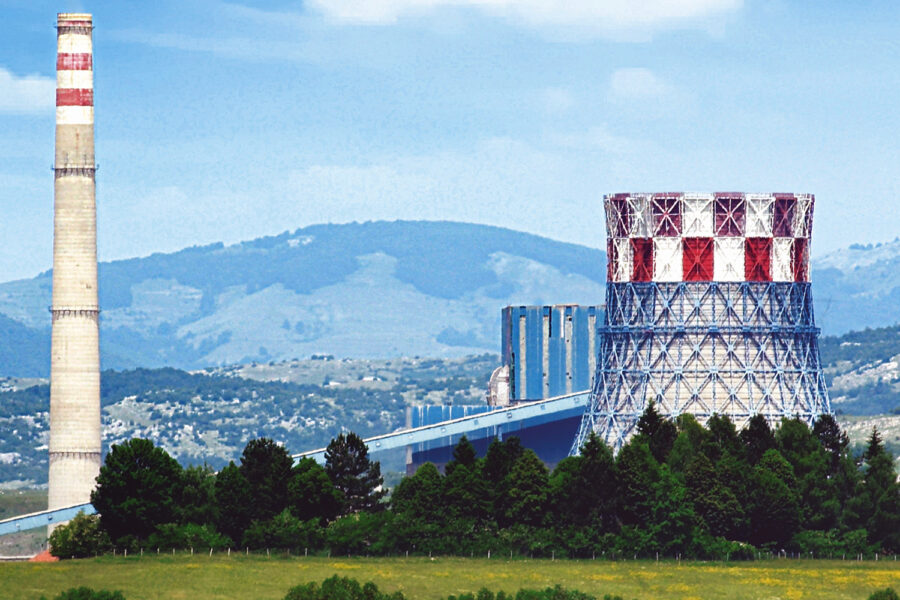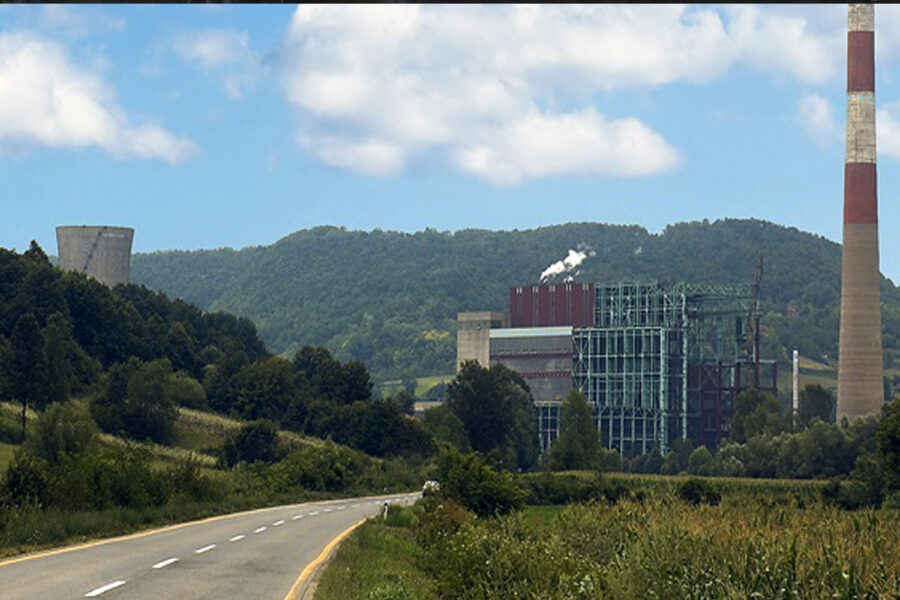



The EU Emissions Trading System (EU ETS) is a central component of the European Union’s policy to combat climate change and a key tool for reducing greenhouse gas emissions cost-effectively. It is the world’s first major carbon market and remains the largest one. The system operates in all EU countries, as well as Iceland, Liechtenstein, and Norway, and covers around 10,000 installations in the energy sector, manufacturing industry, and aircraft operators flying within the EU.
The EU ETS works on a ‘cap and trade’ principle, where a cap is set on the total amount of greenhouse gases that can be emitted by the installations covered by the system. This cap is reduced annually, aligning with the EU’s climate targets. Companies within the system need to hold enough emission allowances to cover their emissions, and they can buy, sell, or receive these allowances. This system has been effective in reducing emissions from power and industry plants by 37% since 2005.
Significant changes and reforms have been made to the EU ETS over the years. One of the key updates is the inclusion of maritime transport emissions within the EU ETS scope, starting in 2024. This inclusion will be gradual, with shipping companies required to surrender allowances for a portion of their verified emissions, increasing from 40% in 2024 to 100% by 2026.
Additionally, a new emissions trading system, known as ETS II, will cover fuel distribution for road transport, buildings, and additional industrial sectors, starting in 2027. This system will operate separately from the existing EU ETS and apply to fuel distributors, not households or drivers.
Revenue generated from the EU ETS is primarily used to support investments in renewable energy, energy efficiency improvements, and other low-carbon technologies. The system’s legislative framework has undergone several revisions to align with EU climate targets, including the ambitious goal set by the European Climate Law for EU Member States to become climate neutral by 2050 and to reduce net emissions by at least 55% by 2030 compared to 1990 levels.